Timber vs Colorbond Fencing: Choose the Best for Your Home
This article has been written by
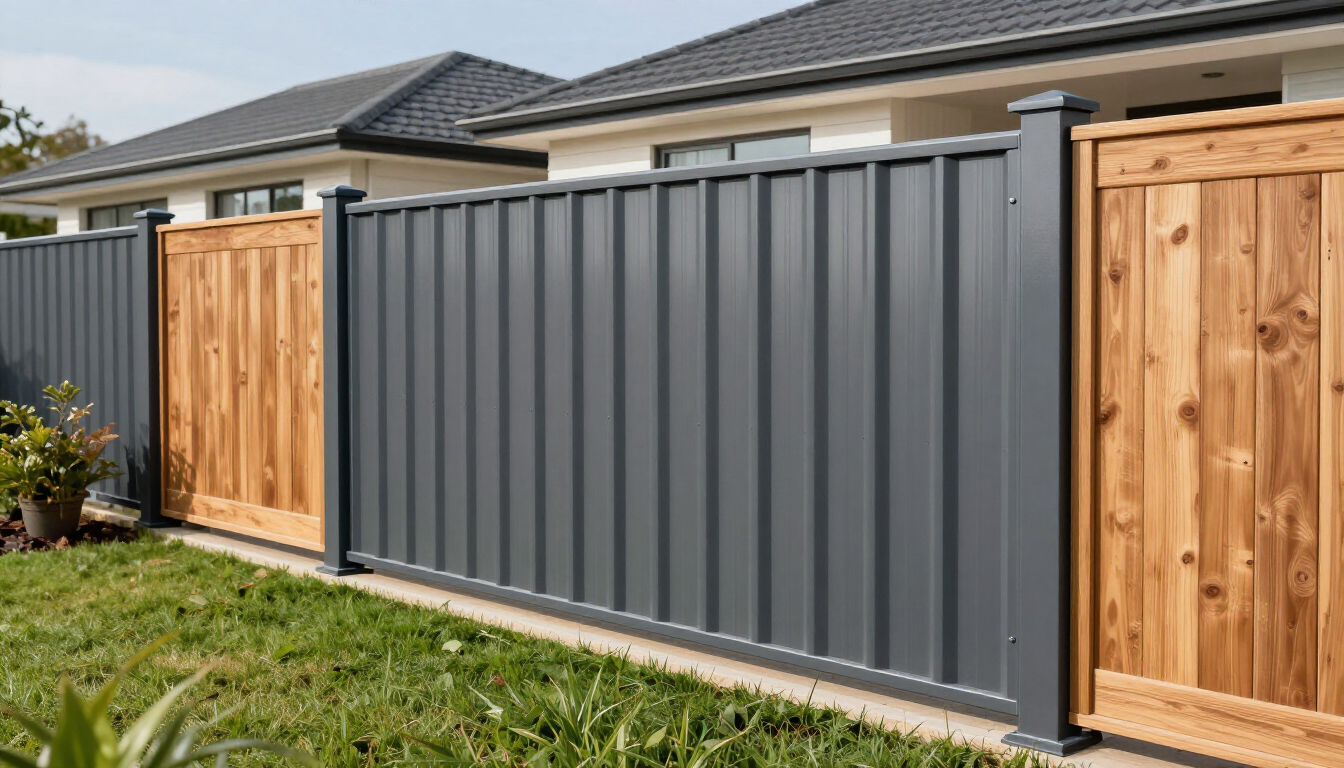
Deciding between timber vs Colorbond fencing involves weighing aesthetics against durability. Timber offers a classic, natural look that is initially cost-effective, while Colorbond provides long-lasting, low-maintenance steel protection. The best choice depends on your property’s specific needs, your local climate in South East Queensland, and your budget.
What is the main difference between timber and Colorbond fencing?
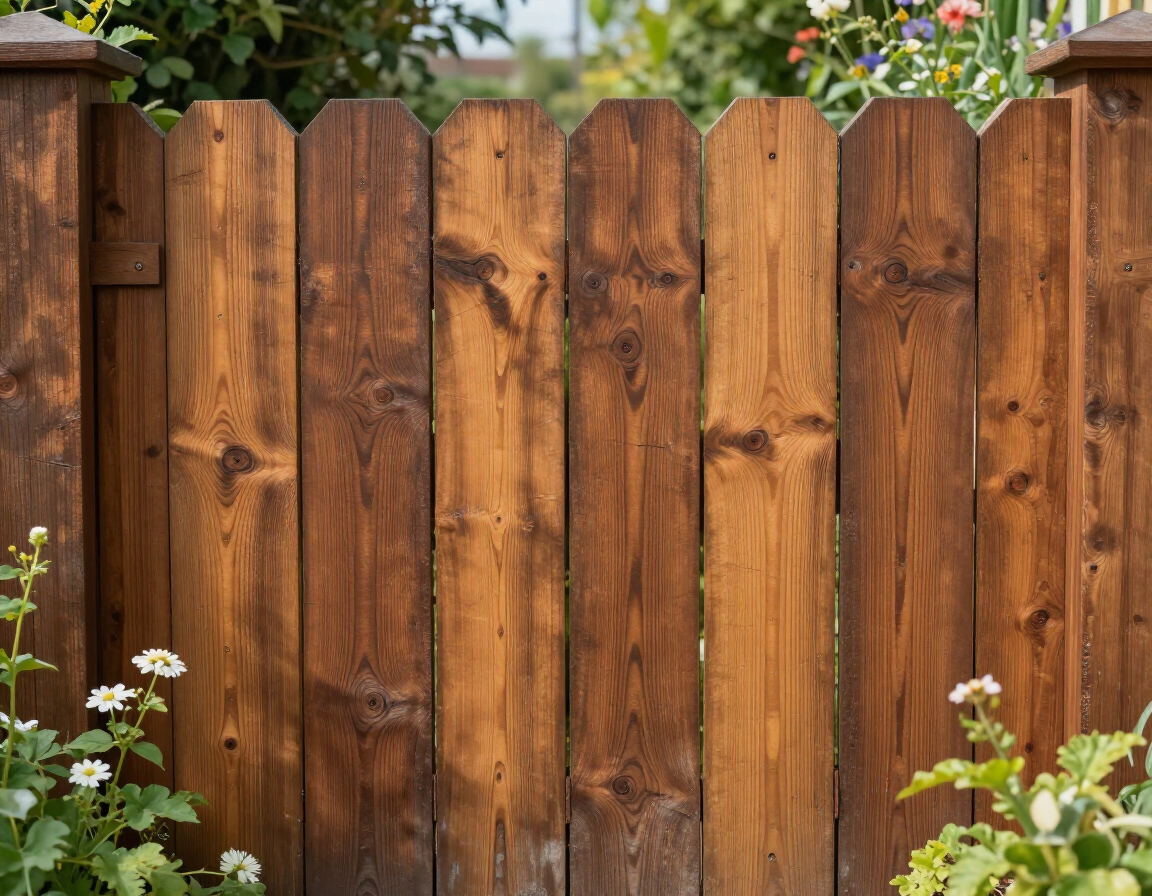
When comparing timber vs Colorbond fencing, the primary distinction lies in the material composition and their long-term performance. Timber fencing is typically constructed from treated pine or hardwoods, offering a traditional, organic aesthetic that blends seamlessly with gardens and natural landscapes. It is a versatile material that can be cut, shaped, and stained to fit almost any residential perimeter. Because it is a natural product, it is susceptible to environmental factors like moisture, rot, and pest infestation, which requires consistent upkeep to maintain its structural integrity over time.
In contrast, Colorbond fencing is manufactured from high-quality pre-painted steel. It is engineered specifically for the harsh Australian environment, featuring a ZINCALUME core that resists corrosion. Unlike wood, Colorbond does not warp, rot, or provide a food source for termites, making it a highly durable alternative. From a visual standpoint, Colorbond offers a sleek, modern finish with clean lines that suit contemporary homes. While timber might be favored for its warmth and character, Colorbond is often preferred by those who prioritize longevity and a "set and forget" approach to their our-services .
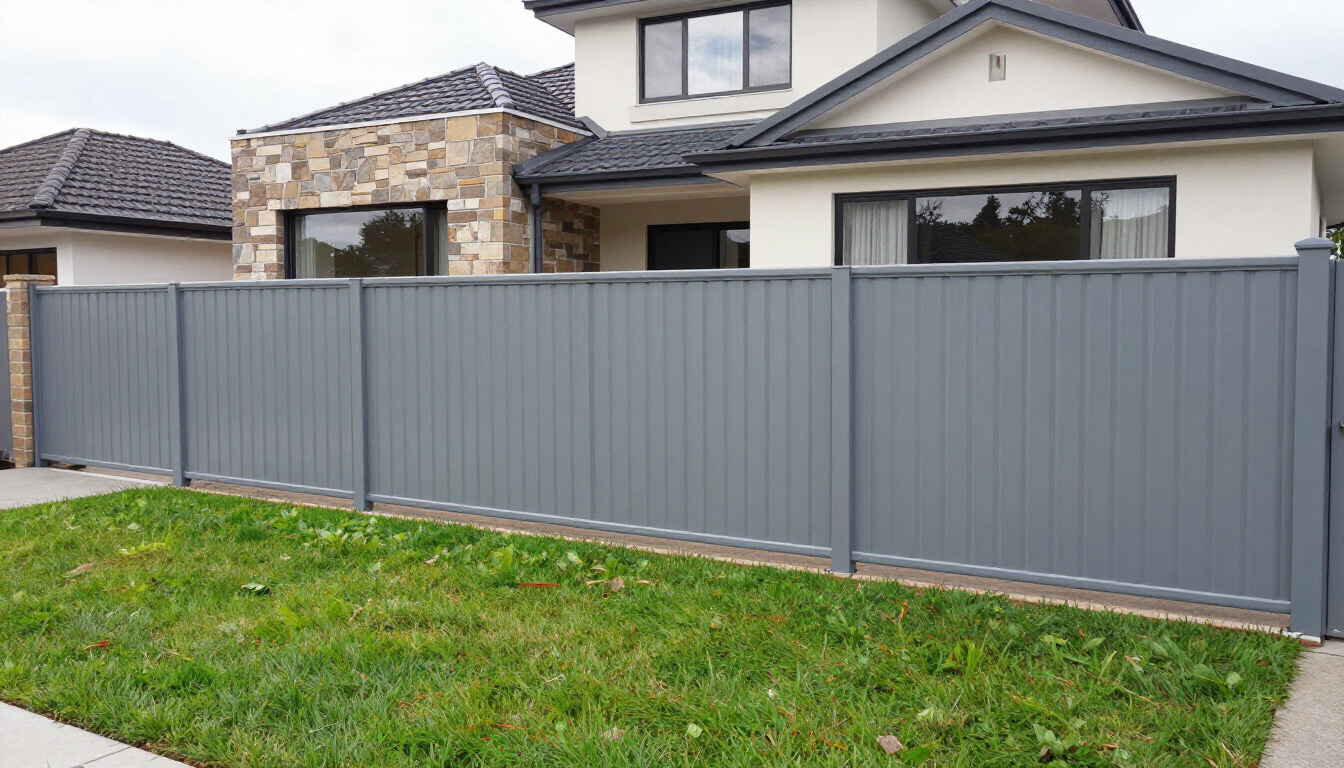
Colorbond Fence Benefits for Queenslanders
For homeowners in the Gold Coast, Ipswich, and South Brisbane, the climate presents unique challenges. The intense sun and high humidity levels can wreak havoc on building materials. Colorbond fencing is designed to withstand these extremes without fading or cracking. One of the most significant advantages for local residents is fire resistance. In areas prone to bushfires or where proximity to neighbors is close, non-combustible steel provides an extra layer of safety that timber simply cannot match.
Furthermore, the maintenance requirements for Colorbond are minimal. You won't need to spend your weekends sanding, painting, or oiling your fence. A simple wash with water every few months to remove salt spray or dust is usually all that is required to keep it looking new. This makes it an ideal choice for busy families or commercial property owners who want to maintain curb appeal without the labor-intensive upkeep. The range of colors available also allows you to match your fence to your guttering, roofing, or window frames for a cohesive architectural look.
Key advantages include:
- Superior resistance to termites and rot
- Non-combustible material for fire safety
- Extensive range of designer colors
- 100% recyclable and environmentally friendly
- High wind resistance when properly installed
Is timber fencing cheaper than Colorbond?
The initial cost of timber fencing is generally lower than Colorbond, which is why it remains a popular choice for large boundary projects and budget-conscious homeowners. The raw materials for a standard treated pine lap-and-cap fence are more affordable upfront. This makes timber an attractive option if you are looking to secure a large property or if you are preparing a house for sale and want to improve the appearance without a massive investment. However, it is essential to look beyond the initial invoice.
While the upfront price is lower, the total cost of ownership for timber can exceed Colorbond over ten to fifteen years. Timber requires regular treatments, staining, or painting every 2-3 years to prevent it from graying or rotting. Additionally, individual palings may warp or crack, necessitating repairs. When you factor in the cost of stains, brushes, and your own time—or the cost of hiring professional property maintenance services —the price gap narrows significantly. Colorbond may require a higher initial outlay, but its lifespan often doubles that of a standard timber fence, making it a more cost-effective long-term investment for many.
Durability and Maintenance Comparison
Durability is the area where these two materials diverge most sharply. A well-maintained timber fence can last 15 to 20 years, but this longevity is highly dependent on the quality of the wood and the environment. In South East Queensland’s damp soil, even treated pine can eventually succumb to ground rot or termite damage if not monitored. Homeowners must be proactive, ensuring that debris doesn't pile up against the base of the fence and that the wood is re-sealed regularly to block out moisture. For more information on how to care for these structures, you can check our FAQ section.
Colorbond, however, is built for endurance. It is pest-proof, rot-proof, and designed to handle the expansion and contraction caused by temperature fluctuations. Because the color is bonded to the steel, it doesn't peel or flake like traditional paint on wood. This durability translates to a fence that looks just as good in year ten as it did on day one. For those who want a fence that requires zero emotional energy to maintain, steel is the clear winner. However, if you enjoy the process of gardening and the evolving look of natural materials, timber’s maintenance might be viewed as a labor of love rather than a chore.
Which fence provides better privacy and security?
Privacy and security are top priorities for most residents when installing a new boundary. Colorbond fencing is widely considered the gold standard for privacy. Because the panels are interlocking, there are no gaps between the slats. This creates a solid visual barrier that prevents neighbors or passersby from seeing into your yard. It also acts as an effective windbreak and can help dampen street noise, creating a quiet sanctuary in your backyard. From a security perspective, the smooth surface of the steel makes it incredibly difficult to climb, as there are no footholds or rails to grab onto.
Timber fencing also offers excellent privacy, especially if you opt for a "lap and cap" design where the palings overlap to eliminate gaps. However, as timber ages and dries, it can shrink slightly, which may eventually create small slivers of visibility between the boards. Timber fences also typically have horizontal rails on one side, which can unfortunately act as a ladder for intruders. While timber is sturdy and provides a solid physical barrier, it doesn't quite match the seamless, unscalable nature of a Colorbond installation. If your primary goal is total seclusion and a secure perimeter, Colorbond is usually the recommended choice.
Aesthetics and Customization Options
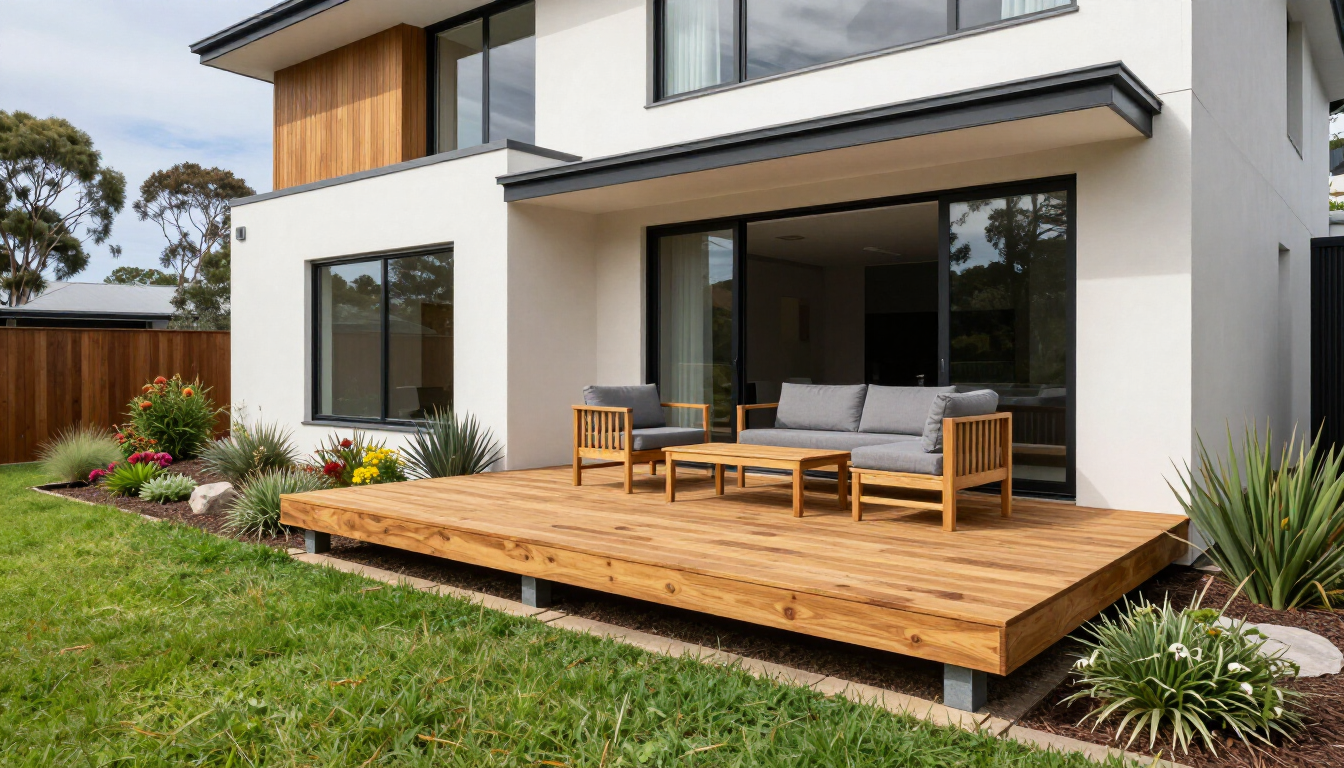
Choosing the right look depends entirely on the style of your home and your personal taste. Timber is incredibly versatile. It can be stained to a deep cedar hue, painted to match your exterior, or left to weather into a natural silver-grey. It fits perfectly with Hampton-style homes, traditional Queenslanders, and cottage gardens. You can also customize the top of the fence with lattice or picket styles to add a decorative touch. If you want to see examples of our recent timber projects, feel free to browse our gallery .
Colorbond offers a different kind of beauty—one that is clean, modern, and industrial. With a palette of over 20 colors inspired by the Australian landscape, you can choose tones that blend into the bush or sharp greys that highlight a minimalist architectural design. You can also mix and match colors for the posts and panels to create a unique look. While you can't change the color of a Colorbond fence as easily as you can repaint a timber one, the factory-applied finish is designed to remain vibrant for decades, ensuring your home always looks sharp and well-maintained.
How does the local climate affect your fencing choice?
In South East Queensland, weather is the ultimate decider. The combination of high UV indices and tropical storms means your fence is constantly under pressure. Timber fences are natural insulators; they don't hold as much heat as metal. This can be a benefit if you have plants growing directly against the fence, as the wood won't radiate heat and scorch the leaves during a January heatwave. However, the wet season can lead to mold and mildew growth on timber if it’s in a shaded, damp area of the yard.
Colorbond, being metal, will heat up in the sun. While this is rarely an issue for the structure itself, it’s something to consider if you have a very small courtyard with limited airflow. On the positive side, Colorbond is completely unaffected by the moisture of the wet season. It won't swell or become heavy with water, and it won't attract the fungi that can sometimes plague wooden structures in the tropics. Ultimately, both materials are suitable for the region, but Colorbond offers a bit more resilience against the specific moisture and pest challenges found in Brisbane and the Gold Coast.
Summary Takeaways
Choosing between timber vs Colorbond fencing depends on your priorities regarding budget, maintenance, and style. Timber is the ideal choice for those who love a natural, classic look and have the time for occasional maintenance, or for those who need a cost-effective solution for a large area. Colorbond is the superior choice for homeowners seeking a modern, high-security, and virtually maintenance-free boundary that will stand the test of time in the Australian sun.
- Choose Timber for natural aesthetics, lower upfront costs, and traditional home styles.
- Choose Colorbond for maximum privacy, fire resistance, and long-term durability.
- Maintenance: Timber requires regular sealing; Colorbond only needs an occasional wash.
- Security: Colorbond provides a seamless, unscalable barrier.
If you're still undecided, the team at Finesse Property Solutions can help. We have over 10 years of experience installing both styles across South East Queensland. Contact us today for a free quote and professional advice tailored to your property's needs.